Deciding what to eat in Amsterdam, for many Italians, is quite a problem. The food here is conceptually different and traditionally very fried. At least this is the common conception, but in recent years, the capital of the Netherlands has been on the cutting edge of gastronomy. You will find classic Dutch snacks, but also typical dishes reinterpreted in a contemporary key, trendy establishments where experimentation is at home, a wave of new health food venues, often vegetarian or vegan, all paired with wines, cocktails and craft beers. Moreover, this multicultural city offers a surprising variety of flavours from all over the world.
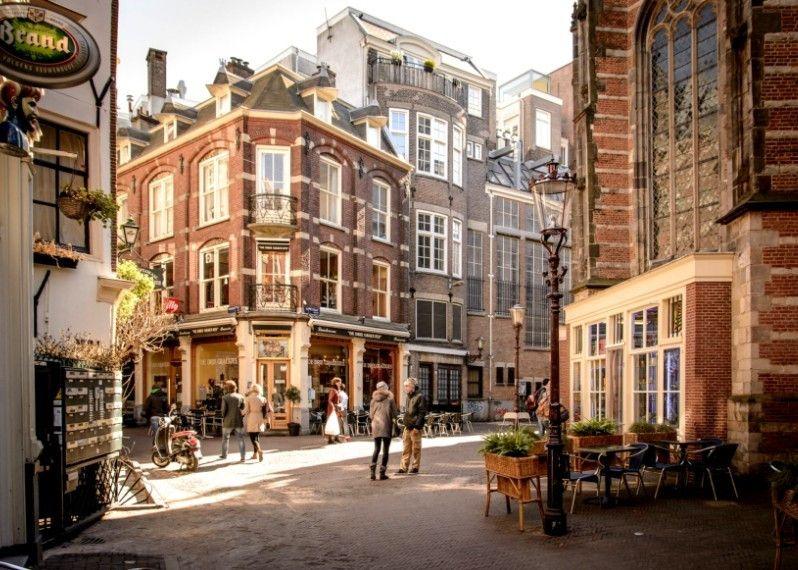
Amsterdam is a capital at the forefront of gastronomy. ©Paolo Paradiso/Shutterstock

The Butcher, one of the trendy places in Amsterdam. ©Sarah Coghill/Lonely Planet
Where to eat
Concept restaurants are springing up like mushrooms in the city, often dedicated to single ingredients such as strawberries or avocados. Current trends include gourmet street food (poké bowls, ramen, tacos, hot dogs...) and brunch served all day long.
Contemporary cuisine is also developing strongly. Amsterdam is a major hub for start-ups, also in the culinary sector. Throughout the city you will find small, up-and-coming chains of 0-km establishments. Among the best known are:
- Stach (gourmet sandwiches and deli food);
- SLA (salads to customise);
- De Bakkerswinkel (baked goods);
- De Pizzabakkers (pizza and Prosecco);
- The Butcher (hamburgers) and many others.
Foodhallen, in the cultural complex of De Hallen, a former tram depot, houses a wide variety of restaurants and is the ideal place to get closer to the city's gastronomic scene. The same goes for festivals, such as the Rollende Keukens (Kitchens on the Road), a large gathering of food stalls. The Sunday Market is also perfect for getting to know the latest cooking trends.

Traditional food goes gourmet, Amsterdam. ©Matt Munro/Lonely Planet
Contemporary Dutch cuisine
A flurry of creativity has swept through traditional Dutch cuisine, bringing new ideas to age-old recipes that have now been given a contemporary twist. The most creative Dutch chefs take inspiration from international dishes, combining them with locally produced meat, fish and vegetables. Amsterdam is the starting point for these new trends.
Eating Indonesian (and more) in Amsterdam
Historical ties with Indonesia and Suriname mean that there is no shortage of opportunities to try the cuisines of these two countries in the Netherlands and Amsterdam.
The most famous Indonesian dish is the rijsttafel (Indonesian menu), a dozen different food samples, such as braised beef, pork satay and ribs, served with white rice. Other popular dishes are nasi goreng, i.e. fried rice with onions, pork, prawns and spices, often topped with a fried egg or shredded omelette, and bami goreng, with noodles instead of rice. Indonesian food is usually served mildly spicy to Westerners; if you want it very spicy, ask for it pedis, but then don't complain!
Surinamese cuisine is Caribbean-style, based on curry dishes (chicken, lamb or beef). The roti is a type of rolled flat bread, stuffed with meat or vegetable curry; it is delicious, nutritious and cheap.

Traditional herring, the most typical street food, together with fried potatoes. ©Sarah Coghill/Lonely Planet
Sign up for our newsletter! For you weekly travel tips, special offers, stories from around the world and 30% discount on your first order.
Street food
- Vlaamse frites/pat. The iconic 'Flemish fries', served with mayonnaise or a myriad of other sauces.
- Kroketten. Dutch croquettes have various fillings, but are always breaded and fried; bitterballen, with meat, are popular in bruin cafés and are served with mustard.
- Haring. Herrings are a Dutch institution, sold in kiosks all over the city. They are always raw, pickled or salted, served with chopped onion and sometimes with sweet and sour gherkins.
Apart from restaurants and eetcafés (pub-type places serving cheap food), there are several ways to have a quick meal. Everywhere you will find broodjeszaken (sandwich shops): go to the counter and, for a few euros, choose the sandwich with your favourite filling (meat and/or cheese).
Snack bars are also everywhere: the fast food chain FEBO is the best known, with rows of yellow coin-operated vending machines selling fried food. Branches are open until late at night and it is a Dutch tradition to stop here for a snack after a good night out.

Numerous and tasty: Dutch cheeses are spoilt for choice. ©Will Salter/Lonely Planet
Cheeses
The Dutch love kaas (cheese). Almost two thirds of all cheese sold is gouda. The tastiest varieties have a strong and complex flavour. Try the hard and very tastyoud gouda (aged), a popular bar snack served with mustard. Edam is similar to gouda, but is a little drier and less creamy. Leidse or leiden is another widely exported product with a light taste and caraway seeds.
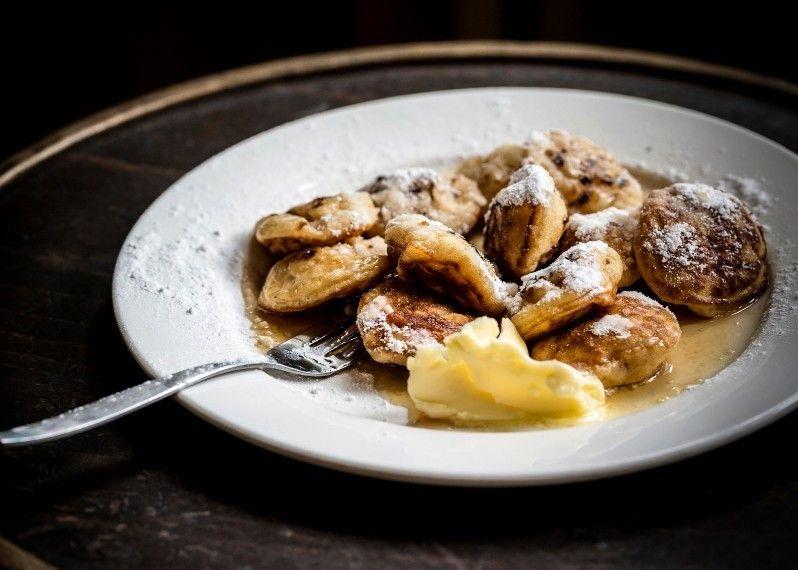
Poffertjes are small pancakes sprinkled with sugar or syrup. ©Sarah Coghill/Lonely Planet
Typical Dutch dishes
Traditional Dutch cuisine is based on meat, potatoes and vegetables. Among the various specialities are:
- Stamppot (mashed potatoes and vegetables), served with smoked sausage and strips of bacon;
- The erwtensoep, a thick winter pea soup with smoked sausage and bacon;
- pannenkoeken, the Dutch variant of the pancake, larger (as big as a plate) and served with sweet or savoury toppings;
- Poffertjes, smaller pancakes, sprinkled with sugar or syrup, often found fresh in supermarkets.
Many snack bars and pubs serve appeltaart (apple pie) accompanied by slagroom (whipped cream). For breakfast it is customary to eat buttered bread with hagelslag (chocolate sprinkles).
Sweets
The most famous candy is the drop, of sweet or salty liquorice, offered in an extraordinary range of flavours. One learns to appreciate it with time. Stroopwafels are wafer brittle filled with caramel syrup.
How much does it cost to eat in Amsterdam
Are you afraid that tasting these specialities will (negatively) affect your holiday budget? You can rest assured, you just have to be a little careful. On average, a full dinner in a restaurant can set you back between 30 and 40 euros, but there are much cheaper options, such as street food, broodjeszaken and snack bars (mentioned above), where you can eat at reasonable prices.
Also, don't forget to take a good look at the various small restaurants in the Foodhallen: there are all kinds and, above all, for all budgets.
Published in September 2018