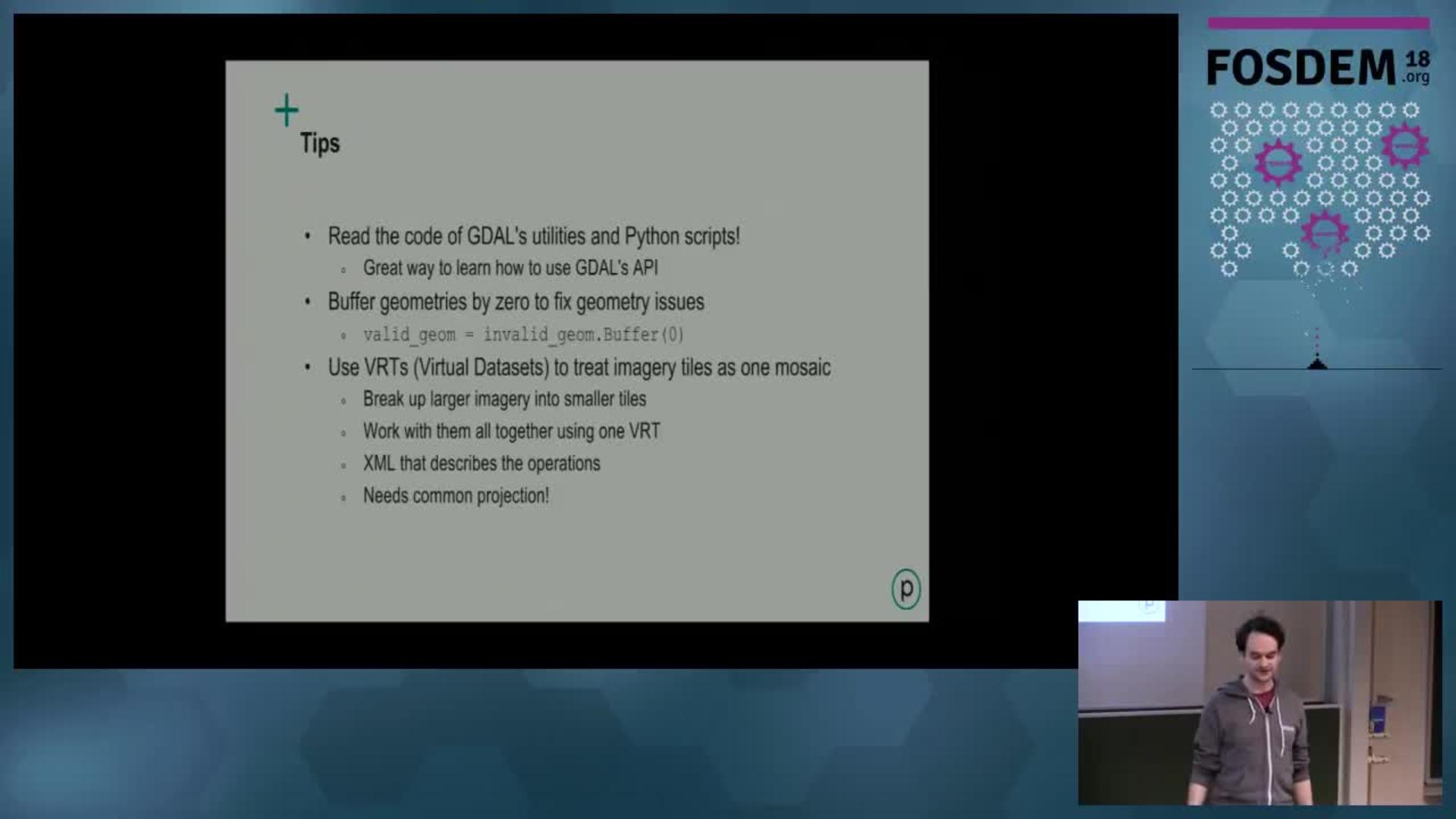
Open Source has undeniably paved the way for a new age of software development and collaboration. Its principles have allowed for the transparent and collective building of software that pushes the boundaries of technology and innovation. Two of the most significant contributors to the open-source movement have been the programming languages Java and Python, which have both open-sourced their core components to accelerate the growth of the developer community.
Java, renowned for its portability and robustness, has established itself as a cornerstone in the enterprise world. Its adoption of open-source licenses has enabled businesses to customize and scale their systems economically, fostering a widespread and collaborative development environment.
In a similar vein, Python has become a favorite among data scientists and developers for its ease of use and powerful libraries. Its open-source nature encourages an unparalleled exchange of ideas and tools, further enriching the community's resources and capabilities. Python's tangible impact on areas such as artificial intelligence and machine learning exemplifies open-source collaboration's potential to revolutionize industries.
The Debian Project, a hallmark of open-source operating systems, has historically been a model of democratic consensus in software development. However, recent observations, as outlined by Manoj Srivastava, highlight a shift away from this traditional consensus model. Structural issues within the project’s governance have been cited as contributing factors to this decline.

Srivastava's analysis exposes the complexities and challenges associated with maintaining a unified direction amidst a diverse and opinionated community. The Debian Project's experience underscores the delicate balance required in large-scale collaborative endeavors and raises questions about sustainability of consensus-driven governance in open-source projects.
The tension between central governance and individual autonomy is at the core of the debate within Debian. Establishing guidelines and structure is necessary for the coherence of any large project, but how much regulation stifles innovation and community spirit?
The spirit of open-source development can be likened to the ethos of travel. Just as open source promotes the exploration of new code and solutions across borders, travel encourages the discovery of new cultures and ideas. Both open source and travel thrive on the principles of shared experiences, collaboration, and the belief that the journey is as important as the destination. Indeed, the journey of the Debian Project and other open-source initiatives continues to be an exploratory one, as destinations shift with evolving technologies and community dynamics.
As with a traveler embracing an altered itinerary, the Debian community and open-source enthusiasts must adapt to the changing landscape. Seeking out new forms of collaboration and decision-making will ensure that the projects remain vibrant and relevant. Perhaps the metaphorical travels through code will inspire real-world journeys, where face-to-face collaboration can strengthen bonds and reinvigorate the collective vision for open-source software development.